

Tattoo Removal
Laser treatment to progressively reduce tattoo visibility across all ink colours and skin types
Book a Consultation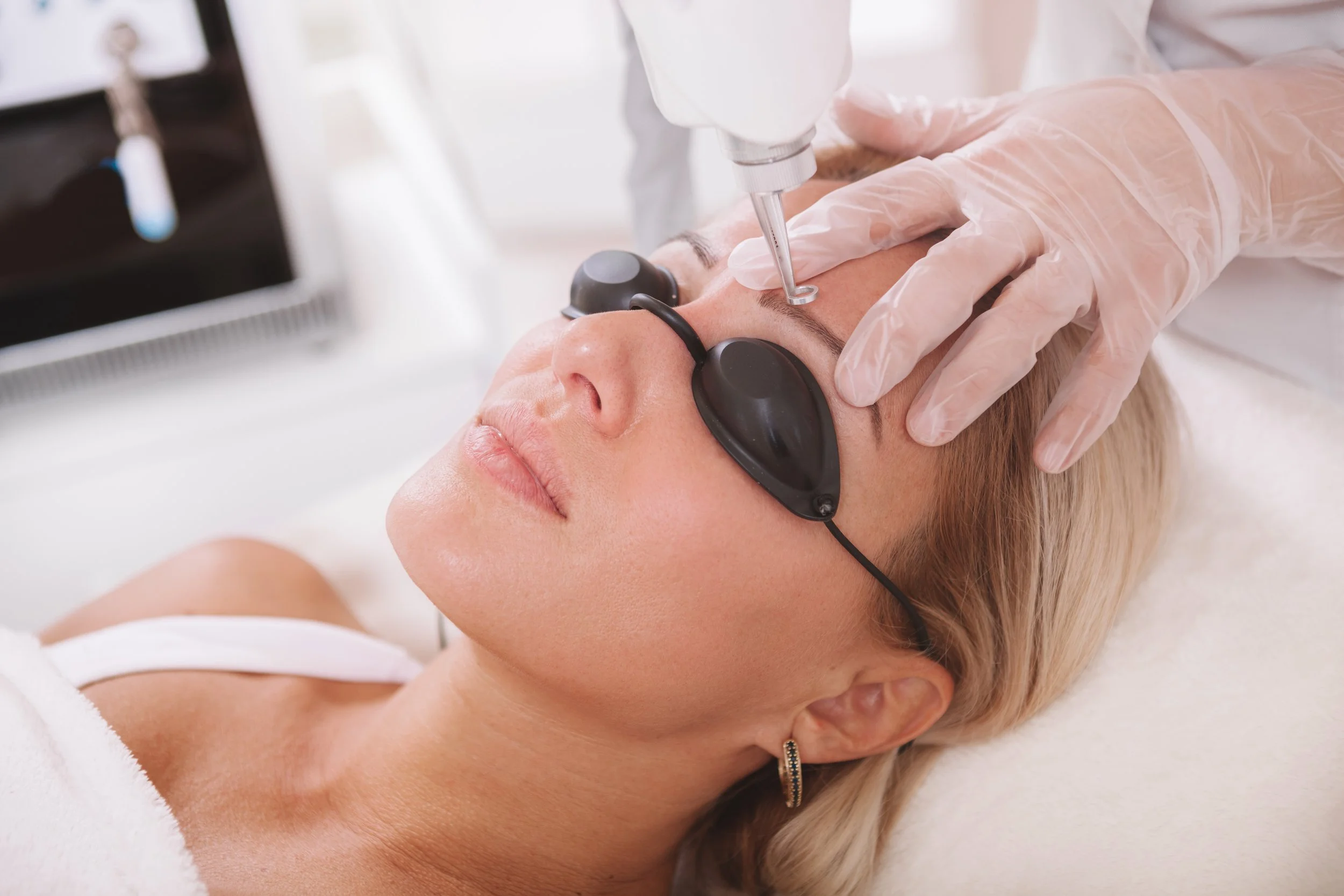
What it is
Laser-based tattoo removal
Tattoo removal at Regenesis uses the Spectra XT Q-switched laser to target and fragment the ink pigment within the skin. The laser delivers short pulses of high-energy light that are absorbed by the tattoo ink, breaking it into smaller particles that the body's immune system can then gradually clear away.
The Spectra XT uses multiple wavelengths — allowing it to target a broad range of ink colours, including both dark and light pigments. Treatment is progressive, with each session reducing the visibility of the tattoo as the ink clears between appointments.
All treatments are performed by qualified practitioners. A thorough assessment of your tattoo, skin type and health history is conducted at consultation before treatment begins.
What it addresses
Tattoo types we treat
The Spectra XT is suitable for a broad range of tattoo presentations. Suitability and the number of sessions required will vary by tattoo. All cases are assessed individually at consultation.
- Professional tattoos across a range of ink colours
- Amateur tattoos
- Black and grey ink tattoos
- Coloured ink tattoos
- Older and faded tattoos
- Partial removal or lightening for cover-up preparation
- Cosmetic tattoos (assessed case by case)
Technology used
Device at Regenesis
Tattoo removal at Regenesis is performed exclusively with the Spectra XT — a Q-switched laser with four wavelengths specifically suited to ink fragmentation across a range of colours and skin types.
What to expect
The treatment experience
Your first appointment begins with an assessment of your tattoo — including the ink colours, depth, density and age of the tattoo, as well as your skin type. This information guides the device settings and helps your practitioner estimate the number of sessions likely to be required. Your skin will be cleansed at the start of your appointment.
During treatment, the laser handpiece is passed over the tattooed area. You will feel a snapping sensation with each pulse — often described as similar to a rubber band against the skin. A cooling system is used to maintain comfort. Sessions typically take between 15 and 45 minutes depending on the size of the tattoo.
Immediately after treatment the treated area will appear white or frosted — this is a normal immediate reaction to the laser and settles within minutes. Redness, mild swelling and some pinpoint bleeding may follow. The skin will feel sensitive for several days.
Sessions + Downtime
Treatment plan and recovery
The number of sessions required for tattoo removal varies significantly depending on the size, colour, ink density and age of the tattoo, the depth of the ink and your individual skin and immune response. Professional tattoos typically require more sessions than amateur tattoos. A realistic estimate will be provided at your consultation following assessment.
Sessions are spaced 6 to 8 weeks apart. This interval is important — it allows time for the body to clear the fragmented ink between treatments. Reducing this interval does not speed up the process and may increase the risk of complications.
Downtime is typically 3 to 5 days. You may experience redness, swelling, blistering, scabbing and sensitivity in the treated area during recovery. It is important not to pick or scratch the skin during healing. Specific aftercare instructions will be provided at your appointment.
Sun protection is essential throughout your removal course and beyond. UV exposure to the treated area can increase the risk of pigmentation changes and should be avoided where possible.
Frequently Asked Questions
Common questions
Start with a Consultation
All new clients begin with a consultation. Your practitioner will assess your tattoo, review your history and provide a realistic estimate of what your removal course may involve.