Treatments / Pigmentation / Dermamelan
Pigmentation

Dermamelan

A professional depigmentation protocol for persistent hormonal pigmentation and melasma

On consultation
1 in-clinic + home
7 – 10 days
Ongoing
Book a Consultation
Dermamelan depigmentation treatment at Regenesis Aesthetic + Wellness, Kent Town SA

A professional depigmentation protocol for persistent pigmentation

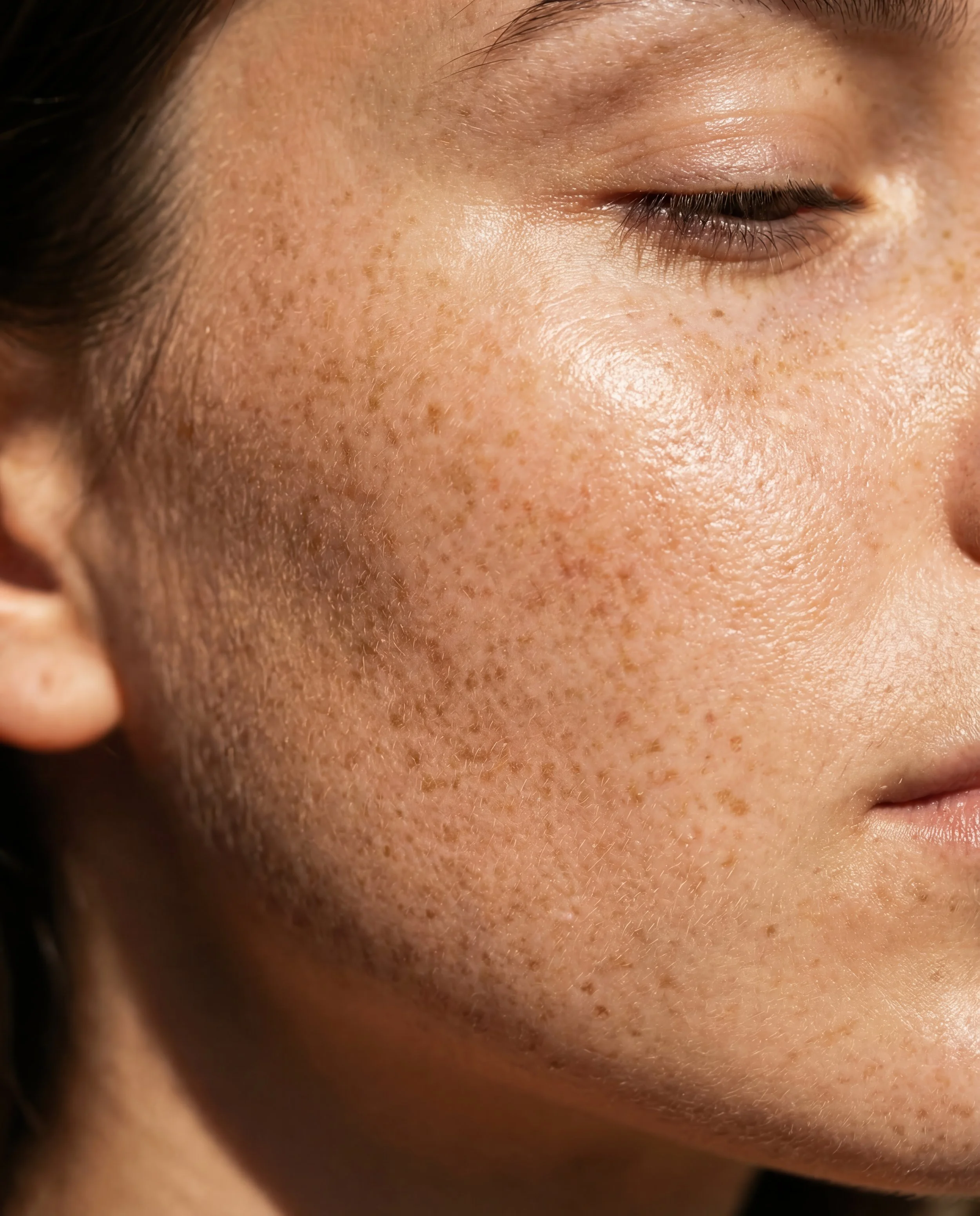
Dermamelan is a professional depigmentation protocol developed by mesoestetic that combines an intensive in-clinic treatment mask with a prescribed home maintenance programme. It is designed specifically for persistent pigmentation concerns — particularly melasma, chloasma and hormonally influenced pigmentation — where surface-level approaches alone may be insufficient.

The protocol works through a dual mechanism: addressing existing surface pigmentation while also targeting the enzyme pathways involved in melanin production at a cellular level. This dual approach aims to address both the visible pigmentation and the underlying pigment-producing activity, which may support a more sustained treatment response compared to surface treatments alone.

Dermamelan is a medical-grade protocol requiring practitioner assessment and prescription. It is not appropriate for all skin types or pigmentation presentations — a thorough consultation is required before treatment proceeds. As with all pigmentation treatments, individual responses vary and realistic expectations are discussed at consultation.

Pigmentation concerns

This treatment may be considered for the following concerns. Suitability is confirmed at consultation.

  • Melasma and chloasma
  • Hormonal pigmentation including pregnancy-related pigmentation
  • Post-inflammatory hyperpigmentation (PIH)
  • Persistent pigmentation that has not responded adequately to topical management alone
  • Uneven skin tone associated with pigmentation irregularity
  • Sun-induced pigmentation in appropriate candidates

How Dermamelan works

Dermamelan is a two-phase protocol — an intensive in-clinic phase followed by a prescribed home maintenance programme. Both phases are essential to the treatment.

Phase 1 — In-clinic treatment
A professional depigmentation mask is applied in-clinic and left on the skin for a prescribed period — the duration is determined by your practitioner based on your skin assessment. The mask contains a concentrated blend of active depigmenting ingredients. Following removal, specific aftercare products are applied and home care instructions are provided. This in-clinic phase typically involves a recovery period of approximately 7 to 10 days during which the skin peels and renews.
Phase 2 — Home maintenance programme
A prescribed home maintenance programme using mesoestetic Dermamelan maintenance cream is commenced following the in-clinic phase. This phase is essential — it continues to address melanin production activity and support the skin's response to the in-clinic treatment. The maintenance programme is ongoing and the duration is determined at follow-up. Strict daily SPF 50+ use is required throughout.

The treatment experience

Your first appointment begins with a thorough skin and pigmentation assessment. Your practitioner will assess the type, distribution and depth of your pigmentation, your skin type and your overall health history. This assessment determines whether Dermamelan is appropriate for your situation and informs the treatment approach. Pricing is confirmed at this appointment.

On the day of your in-clinic treatment, the Dermamelan mask is applied to cleansed skin and left on for a prescribed period. The mask may produce a warming or tingling sensation during application. Following the prescribed wear time, the mask is removed and immediate aftercare is applied. You will leave the clinic with specific instructions for the following days.

In the days following treatment, the skin will typically appear red, feel tight and begin to peel. This peeling phase is part of the expected skin renewal process and typically spans approximately 7 to 10 days, though individual timelines vary. Planning social and professional commitments around this recovery period is advisable.

What to expect following treatment

The recovery period following the in-clinic Dermamelan treatment typically involves redness, tightness and peeling over approximately 7 to 10 days. The extent of peeling varies by individual skin type and the prescribed mask duration. Specific aftercare instructions are provided at your appointment and should be followed carefully during this period.

Following recovery, changes in the skin's pigmentation appearance develop progressively. Individual responses vary and the timeline differs between clients. Ongoing use of the prescribed maintenance cream and daily broad-spectrum SPF 50+ is essential — without these, the treatment response may be significantly reduced over time.

Melasma and hormonal pigmentation are ongoing conditions. Dermamelan addresses the pigmentation present at the time of treatment and works to regulate melanin activity going forward — however the underlying tendency toward pigmentation does not disappear. Ongoing sun protection, maintenance skincare and periodic reassessment are part of managing these conditions long term.

As with all treatments, risks are associated with Dermamelan. Your practitioner will discuss all relevant risks and aftercare requirements in full at your consultation before any treatment proceeds.

Common questions

Is Dermamelan appropriate for melasma?+
Dermamelan is specifically formulated with melasma and hormonal pigmentation in mind and is one of the more established professional protocols for this condition. However melasma is a chronic condition with a hormonal and UV component — it cannot be permanently resolved by any single treatment. Dermamelan may address existing pigmentation and regulate melanin activity going forward, but ongoing maintenance, strict sun protection and periodic reassessment are required. Individual responses vary considerably. Your practitioner will discuss realistic expectations at consultation.
Is this treatment appropriate for my skin type?+
Dermamelan has been used across a range of skin types and tones. However suitability depends on individual assessment — your skin type, pigmentation presentation, health history and any current skincare or medications are all relevant factors. A thorough consultation is required before treatment proceeds. Your practitioner will confirm suitability and discuss any specific considerations for your skin at consultation.
How much downtime should I expect?+
The in-clinic phase of Dermamelan typically involves a recovery period of approximately 7 to 10 days during which the skin will be red, tight and peeling. The extent of this reaction varies by individual. Most clients find it advisable to plan around significant social or professional commitments during this period. Your practitioner will provide specific guidance on what to expect based on your skin assessment.
Do I need to use the home maintenance programme?+
Yes — the home maintenance phase is an essential part of the Dermamelan protocol, not an optional add-on. The in-clinic treatment addresses existing surface pigmentation and initiates the depigmentation process, but the home maintenance cream continues to regulate melanin activity after the in-clinic phase. Omitting the maintenance programme is likely to significantly reduce the treatment response over time.
How should I prepare for my appointment?+
Avoid sun exposure and tanning for at least 2 to 4 weeks before treatment. Avoid retinoids and exfoliating acids as directed by your practitioner prior to your appointment. Arrive with clean skin and no makeup. Let your practitioner know about all medications you are taking — particularly contraceptives, hormone therapy or other medications that may influence pigmentation. Plan your schedule to allow for the recovery period in the days following treatment.
Are there any risks or side effects?+
The expected skin reaction involves redness, tightness and peeling during the recovery period. In some cases, post-inflammatory hyperpigmentation may occur — particularly in darker skin types or where sun protection protocols are not followed. Irritation, sensitivity and dryness are also possible. Your practitioner will discuss all relevant risks and the full aftercare protocol at your consultation before treatment proceeds.
Is this treatment recommended during pregnancy?+
Dermamelan is not recommended during pregnancy or breastfeeding. Please advise your practitioner before booking.

At a Glance

PricingOn consultation
In-clinic sessions1
Home programmeOngoing
Downtime7 – 10 days
PregnancyNot recommended
CategoryPigmentation

Plan Your Schedule

The recovery period involves redness, tightness and peeling over approximately 7 to 10 days. It is advisable to plan around significant social or professional commitments during this time.

Sun Protection

Daily broad-spectrum SPF 50+ is non-negotiable throughout the Dermamelan protocol and as an ongoing daily practice. UV exposure is one of the primary drivers of pigmentation — without consistent sun protection, the treatment response is significantly compromised.

Ready to Book

All new clients begin with a consultation. Your practitioner will assess your pigmentation and confirm whether Dermamelan is the most appropriate approach for you.


Book Now

Start with a Consultation

Dermamelan requires a thorough skin and pigmentation assessment before treatment proceeds. All new clients begin with a consultation to confirm suitability and discuss a realistic plan.

Book Now
Results vary between individuals. All treatments carry risk. Information on this page is general in nature and does not constitute medical advice. Please consult a qualified practitioner to determine whether a treatment is appropriate for you. All treatments are performed by qualified practitioners at Regenesis Aesthetic + Wellness. Regenesis Aesthetic + Wellness complies with AHPRA advertising guidelines and the Therapeutic Goods Act 1989 (Cth).